|

On
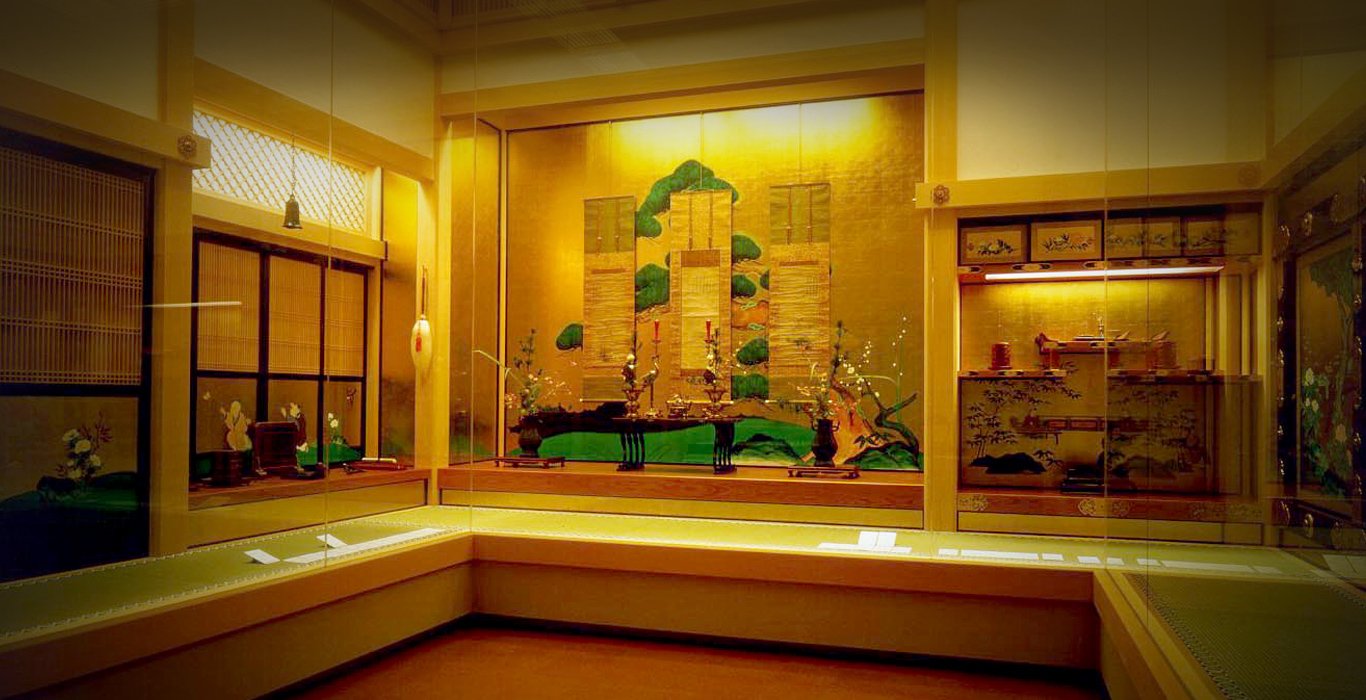
exhibit are various furnishings and items of personal use, amusement,
and cultivation for the daimyo and his household. In contrast
to articles in Chinese taste used in the official, formal chambers,
most private effects and art works destined for the inner living-
quarters were of Japanese design and tradition. Their sumptuous
decoration and craftsmanship, especially the gold of maki-e
lacquer, reflect however the power and influence of their owners.
Most articles of actual daily use no longer survive. Many items
on display formed part of the trousseau which well-born and
status-conscious ladies brought with them on marrying into the
Owari Tokugawa family. The specially commissioned sets of furnishings
and implements, food utensils, toiletry articles, games and
other objects like palanquins, while ostensibly functional,
were carefully stored and handed down as heirlooms. Many bear
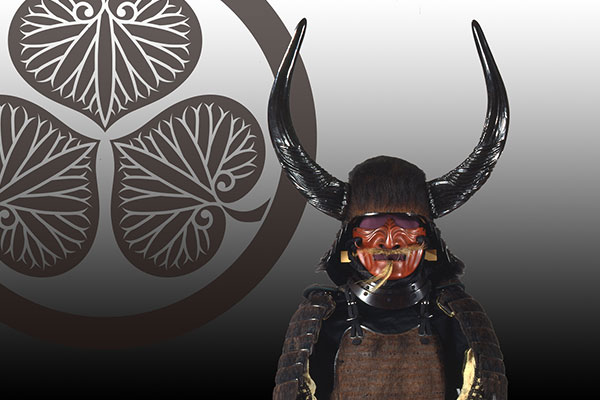
the aoi crest of the Tokugawa.
For the warrior elite, a cultured and artistic education came
to rank with military skills as the generations of peace continued.
Familiarity with the Heian courtly tradition was required. For
example, the elaborate shell-pairing games and incense identification
sets have rules and design motifs based on literary themes,
pre-eminently from The Tale of Genji. Skill at playing musical
instruments was also considered important. The collecting and
enjoyment of art engaged many. Most lords and ladies practiced
calligraphy and painting. The Owari Tokugawa, like other daimyo,
both treasured the art which had been handed down, and patronized
contemporary painters, particularly of the Kano and Tosa schools.
This room gives a representative sampling of the artistic taste
and legacy of the Edo period. |
|