|

Tokugawa
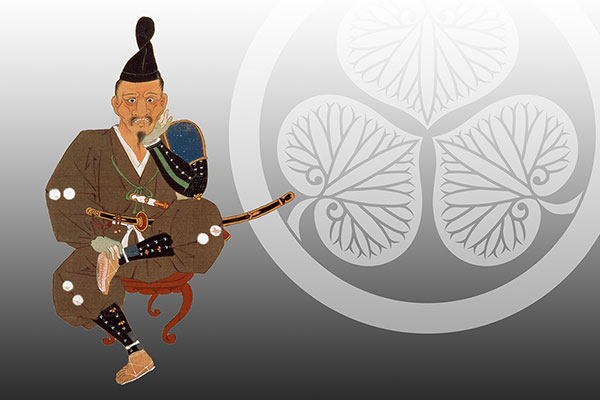
Ieyasu (1542-1616) established his shogunal government at Edo
(now Tokyo) in 1603. So began the Edo period when Japan witnessed
265 years of peace. At the head of branches of the Tokugawa
clan and other samurai families were lords or daimyo who ruled
largely autonomously in their own domains. The Owari Tokugawa,
based here in Nagoya, were among the most powerful and wealthy
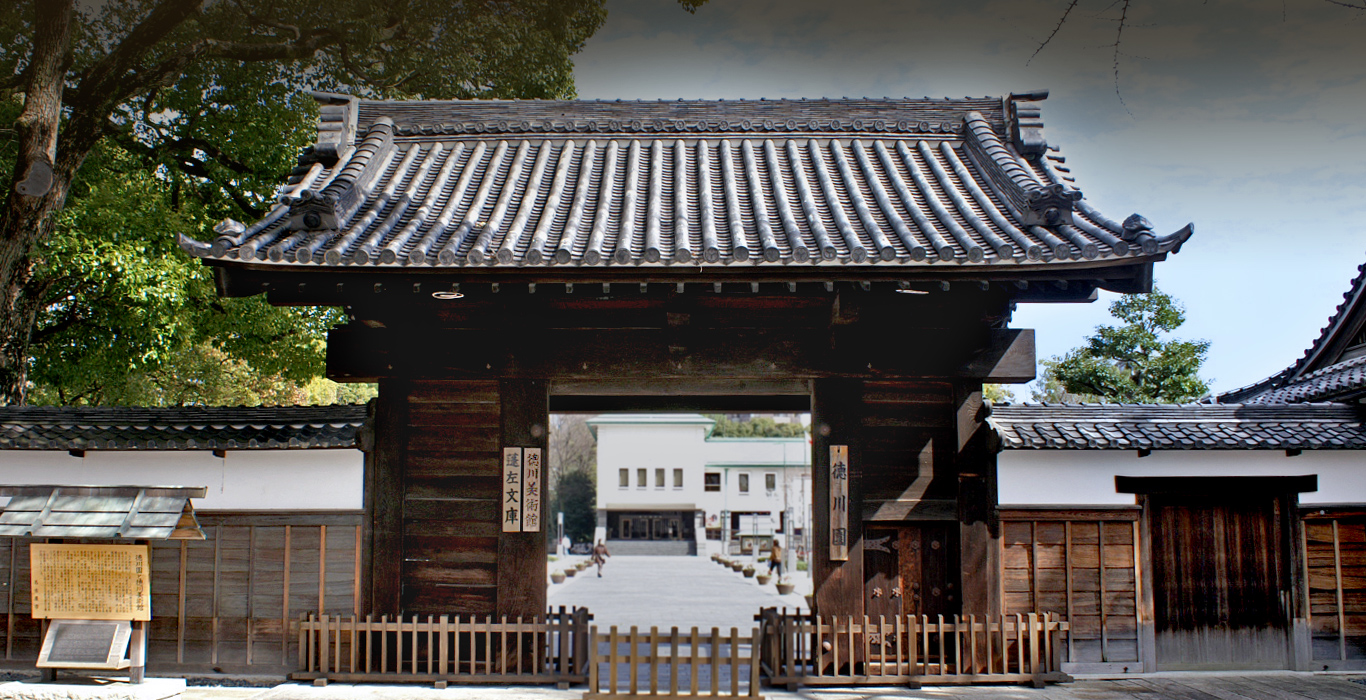
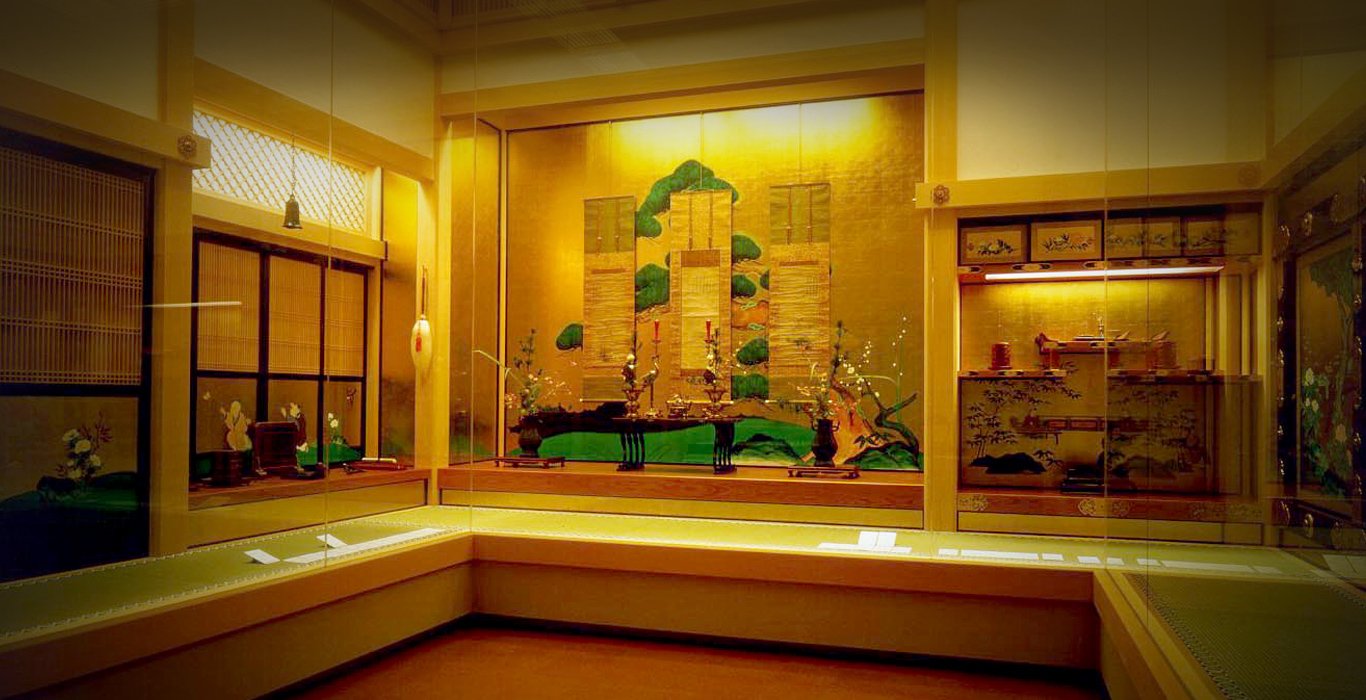
daimyo. This museum presents their family collection.
The Tokugawa and daimyo
came to power through fighting prowess and tenacity over generations
of bloodshed and war. Even in a time of peace, however, the
potential use of military force underlay their right to govern.
Samurai could not forget a warrior's training or spiritual inheritance.
The ultimate symbol of the warrior was, and remained, the sword.
Merchants and peasants could not bear swords. But more than
just a tool and badge of the samurai, the sword was considered
to embody the "spirit of the warrior."
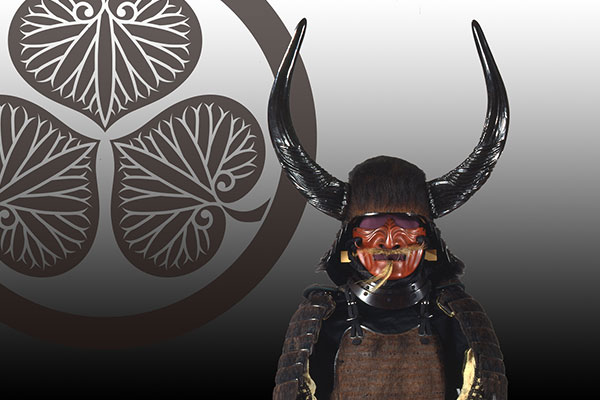
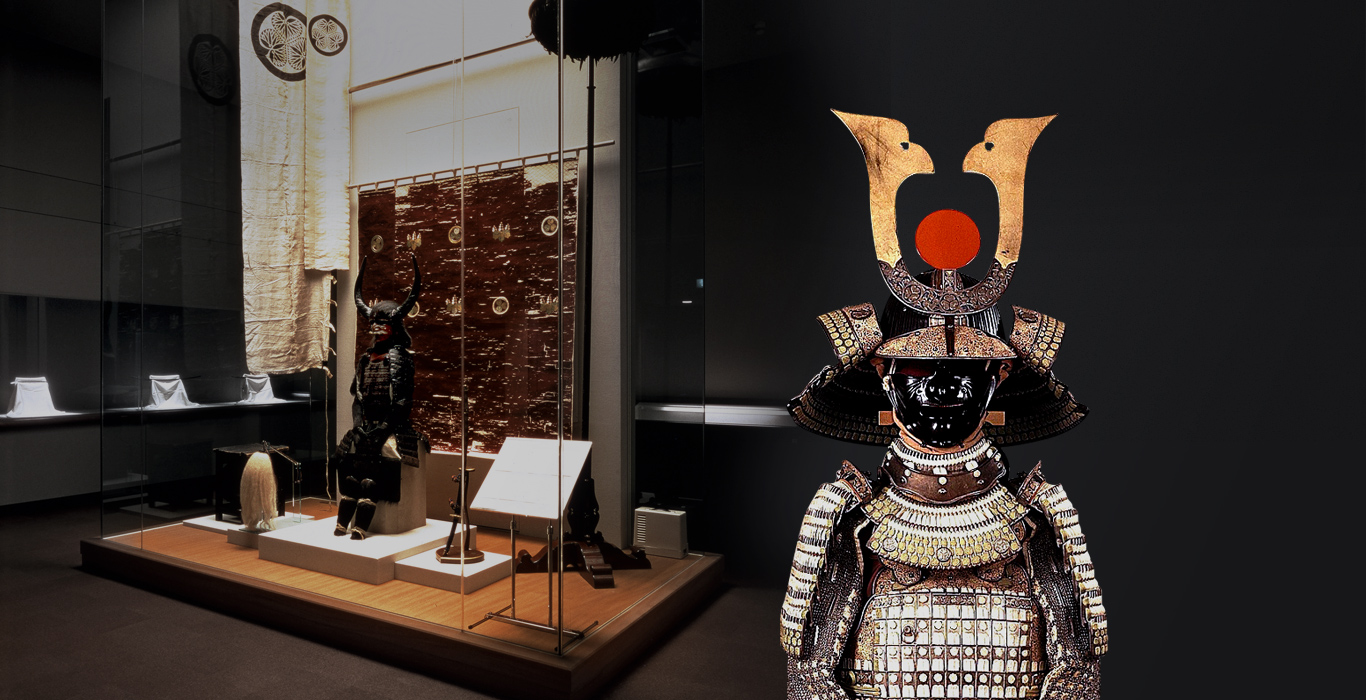
Swords and armor, commissioned or handed down by daimyo
while never losing their military functions, also display an
unsurpassed beauty and refinement. They were valued items of
presentation. Older swords were often re- mounted. Sophisticated
techniques and lavish use of precious materials in sword furnishings
and decoration, along with the imposing and fantastic design
of helmets and armor, testify to the symbolic as well as utilitarian
roles of arms and armor in the Edo period. |
 |